What is the difference between EU GMP Grade A and ISO Class 5?
Both define the same particle cleanliness level (ISO 14644-1 — max 3,520 particles/m³ ≥0.5µm), but they are not interchangeable. ISO Class 5 applies across any technical industry — electronics, aerospace, medical devices — wherever ultra-low particulate contamination is required. EU GMP Grade A is pharmaceutical-specific: it adds zero microbial contamination (0 CFU), mandatory unidirectional laminar airflow, and strict regulatory documentation for audit trails. Every Grade A zone meets ISO Class 5 — but not every ISO Class 5 environment qualifies as Grade A.
Do you install and qualify your laminar flow hoods, biosafety cabinets and cleanrooms on site?
Yes — ADS Laminaire handles the complete installation and qualification of all equipment, from a single biosafety cabinet to a full modular cleanroom. Our technical team performs on-site installation, leak testing, HEPA filter integrity testing (DOP / PAO challenge), airflow velocity measurement, particle count verification, and full qualification protocols (IQ — Installation Qualification, OQ — Operational Qualification, PQ — Performance Qualification). We deliver complete qualification dossiers compliant with ISO 14644, EU GMP Annex 1, NSF 49 and NF EN 12469. This single-source approach guarantees your equipment is ready to operate and audit-ready from day one — no third-party coordination required.
ECM motor vs EC motor in laminar flow hoods — what are the advantages?
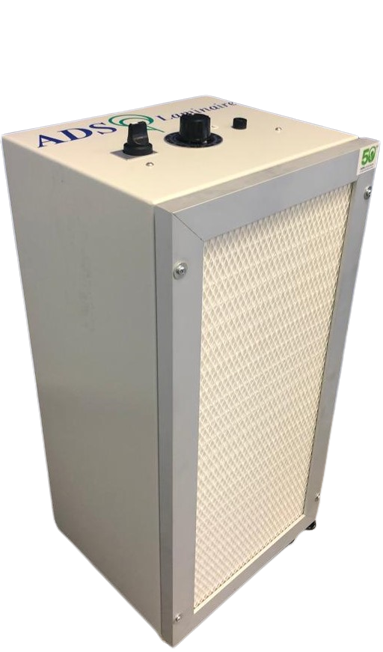
ECM (auto-regulating electronically commutated motor) maintains constant airflow regardless of filter loading. As the HEPA filter clogs over time, the motor automatically compensates — no manual adjustment needed. Ideal for critical pharmaceutical and biotech applications where validated constant airflow is non-negotiable. EC motor (variable speed) is more budget-friendly and energy-efficient, but airflow decreases progressively as the filter loads and requires periodic manual adjustment. Bottom line: ECM for critical environments, EC for cost-conscious applications with regular maintenance protocols.
For a laminar flow hood, which airflow direction is preferred — vertical or horizontal?
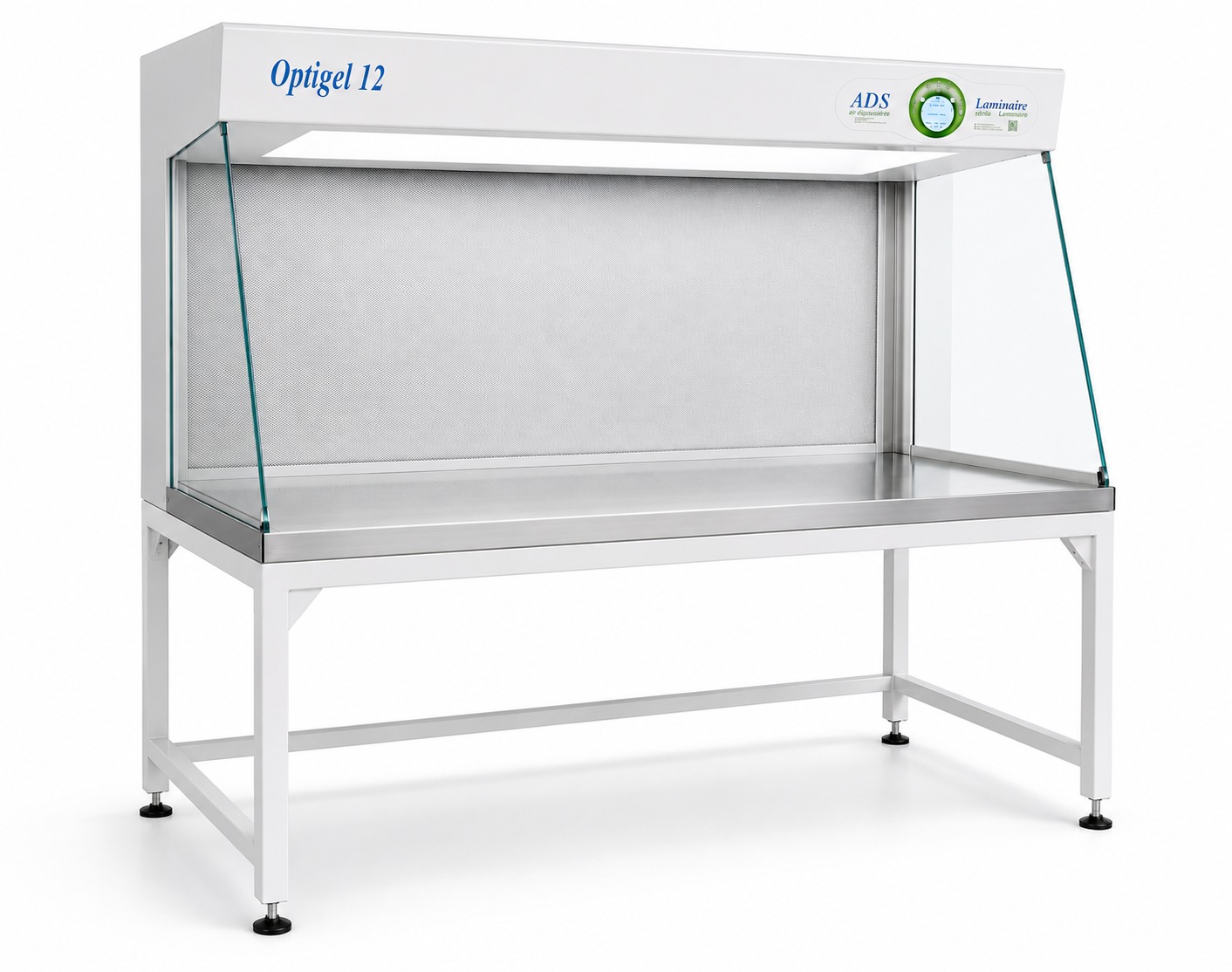
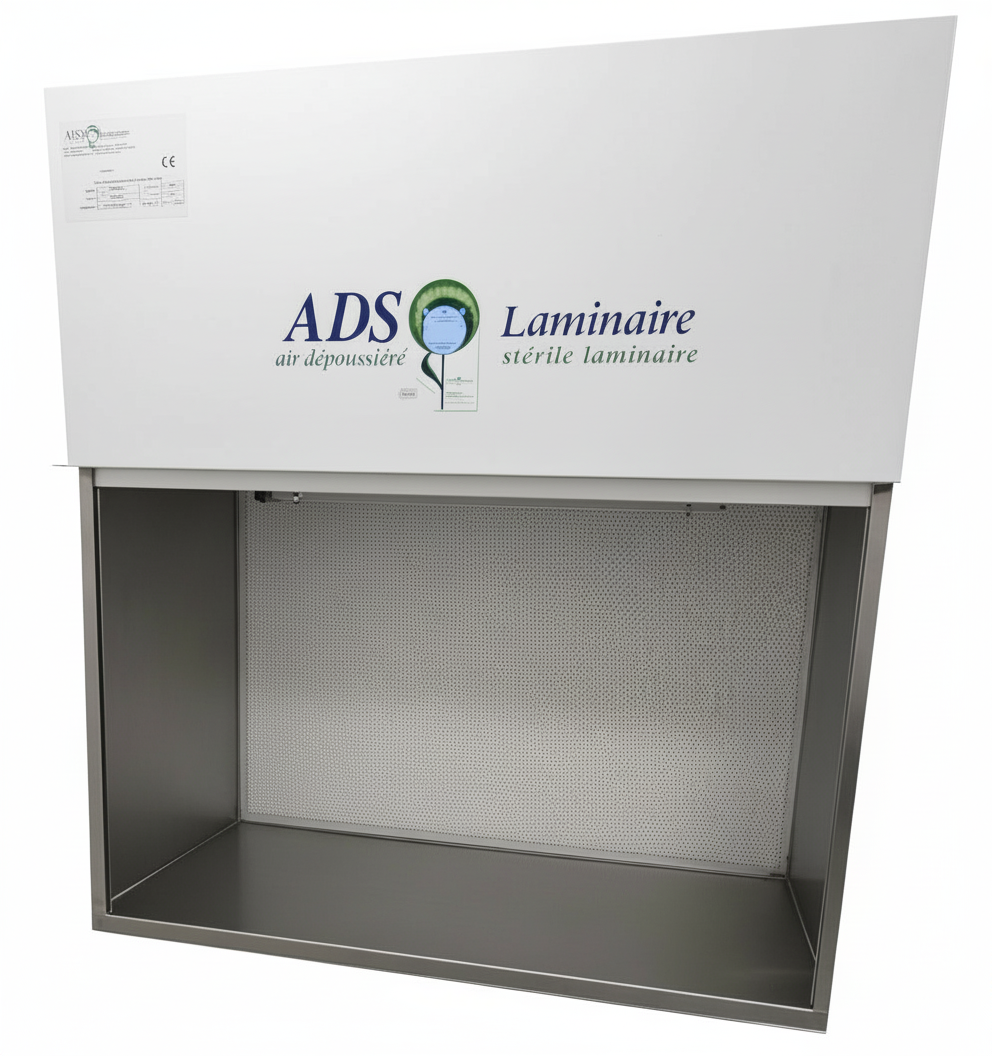
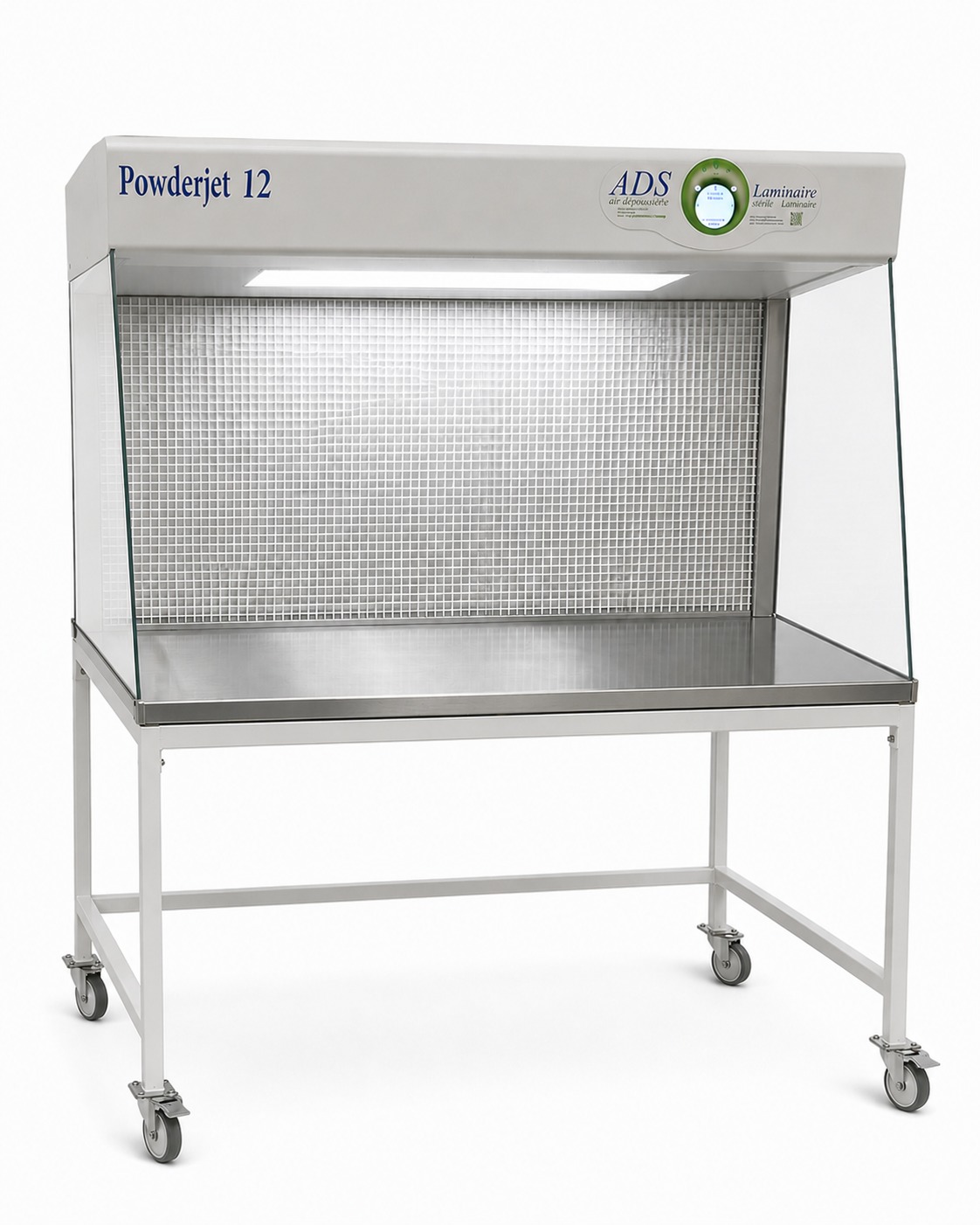
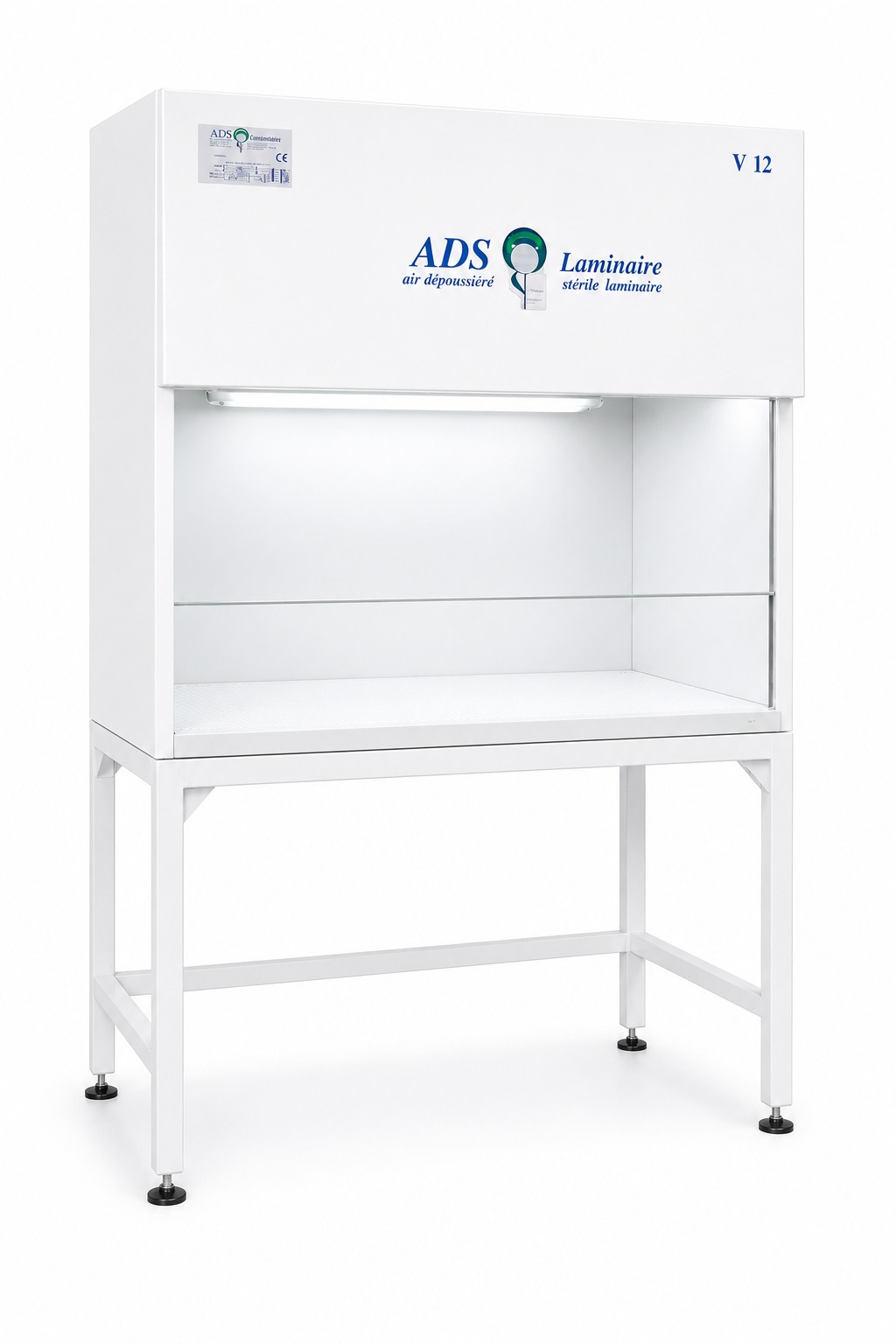
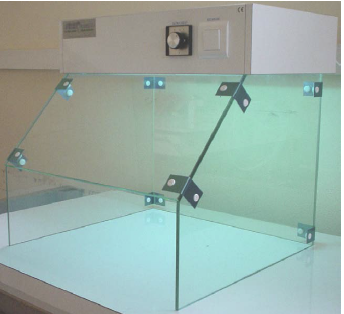
Horizontal laminar flow is theoretically the purest — airflow never contacts the work surface, minimizing turbulence. However, when working with multiple instruments, objects like monitors or equipment can disrupt the airflow and create dead zones immediately behind them. Vertical laminar flow englobes the entire work surface uniformly, making it more practical for complex setups — even if slightly less pure in theory.
When is a BIBO (Bag-In Bag-Out) filter housing required?
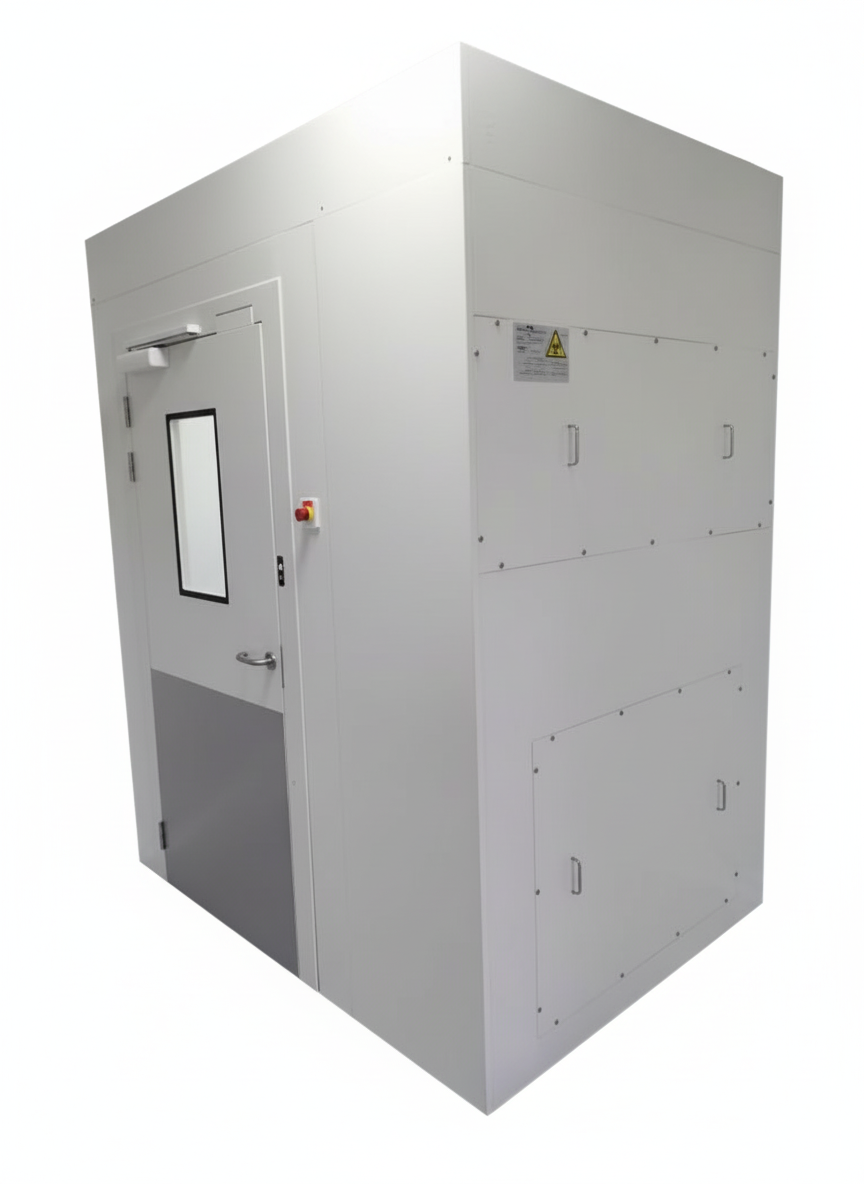
BIBO filter housings are required whenever filter replacement itself poses a contamination or exposure risk — typically in BSL-3/BSL-4 laboratories, cytotoxic drug manufacturing, nuclear facilities, and highly toxic chemical environments. The BIBO system allows the contaminated filter to be bagged and sealed before removal, protecting maintenance personnel from direct contact with hazardous particulates. It is also increasingly specified in high-containment pharmaceutical manufacturing under EU GMP Annex 1 requirements.
How do you calculate air changes per hour (ACH) in a cleanroom?
ACH = (Total airflow in m³/h) ÷ (Room volume in m³). ISO 14644-1 does not prescribe specific ACH values — it defines particle concentration limits. However, industry practice typically targets 240–600 ACH for ISO Class 5, 150–240 for ISO Class 6, and 60–90 for ISO Class 7. The right ACH depends on heat load, occupancy, process type, and room geometry. ADS engineers size fan filter units and HVAC systems based on the specific contamination risk of your application, not generic ACH tables.
How to validate an ISO Class 5 cleanroom after installation?
ISO 14644-1 validation requires particle counting at rest (as-built) and in operation (at-rest and operational states). Testing includes airborne particle concentration, airflow velocity and uniformity, HEPA filter integrity (DOP/PAO test), pressure differential, temperature and humidity. For pharmaceutical Grade A/B environments, additional microbial monitoring (active air sampling, settle plates, contact plates) is required per EU GMP Annex 1. ADS Laminaire equipment is delivered with factory test reports and supports on-site commissioning and qualification documentation (IQ/OQ).
Modular cleanroom vs hardwall cleanroom — how do I choose?
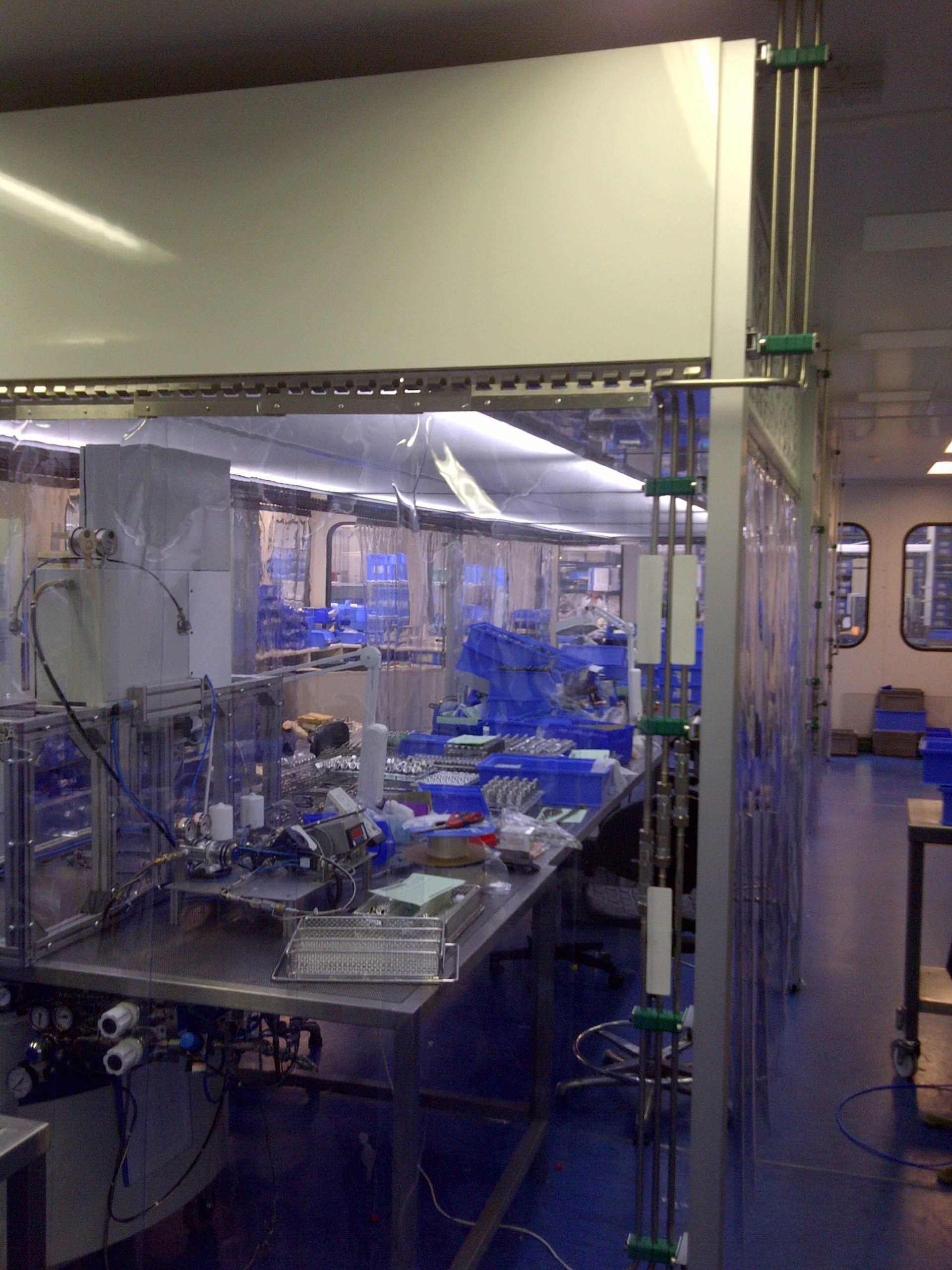
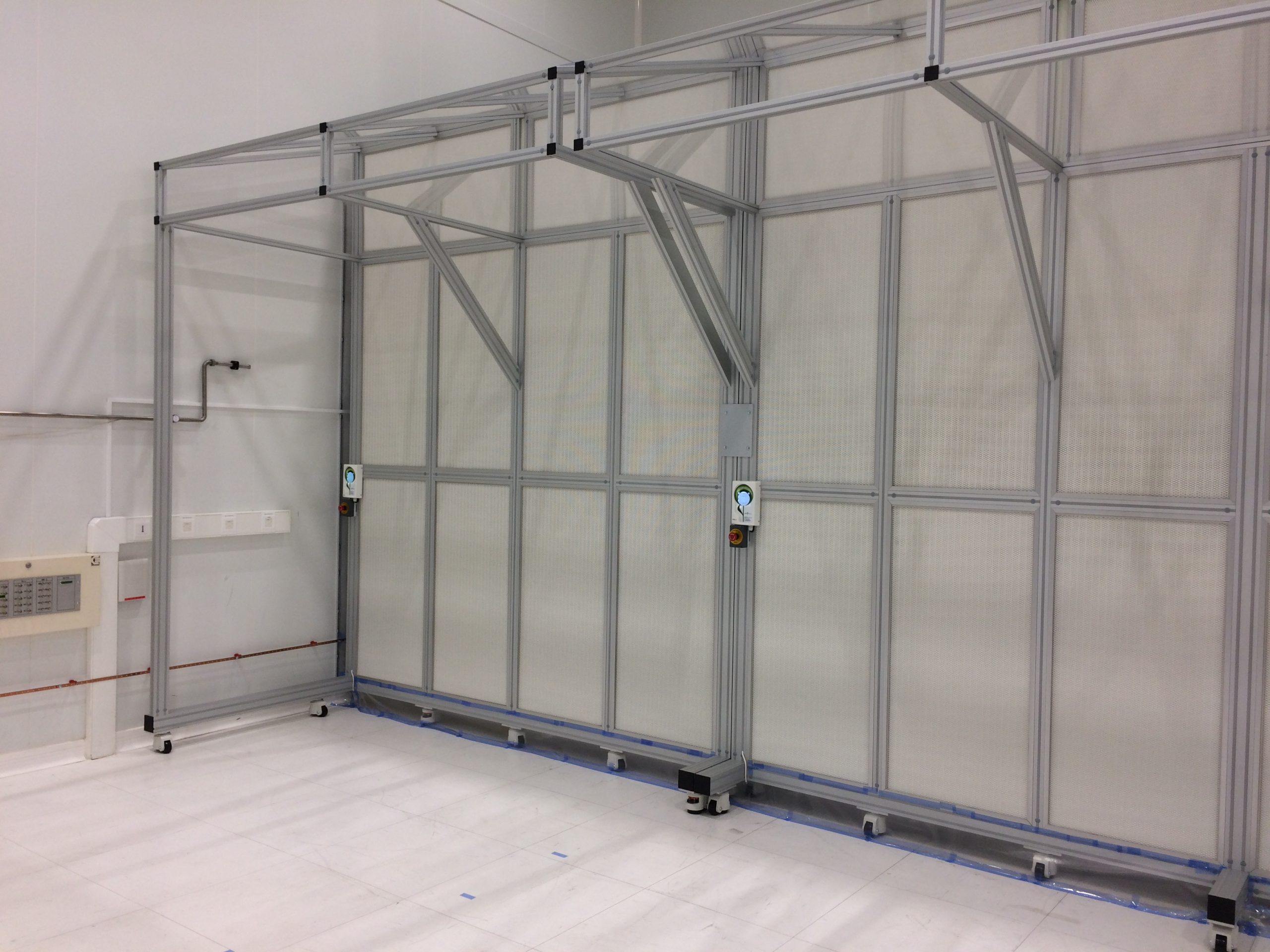
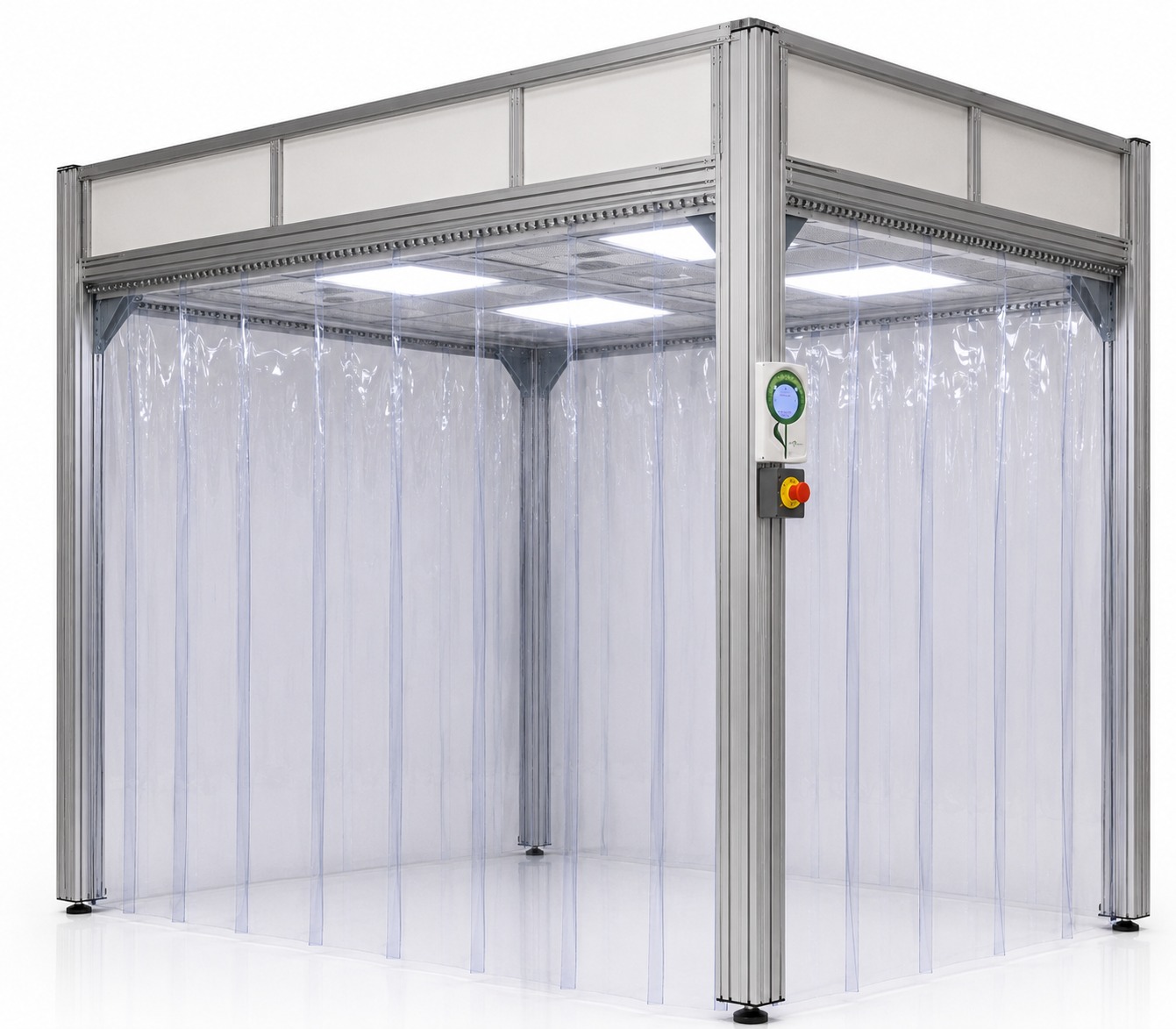
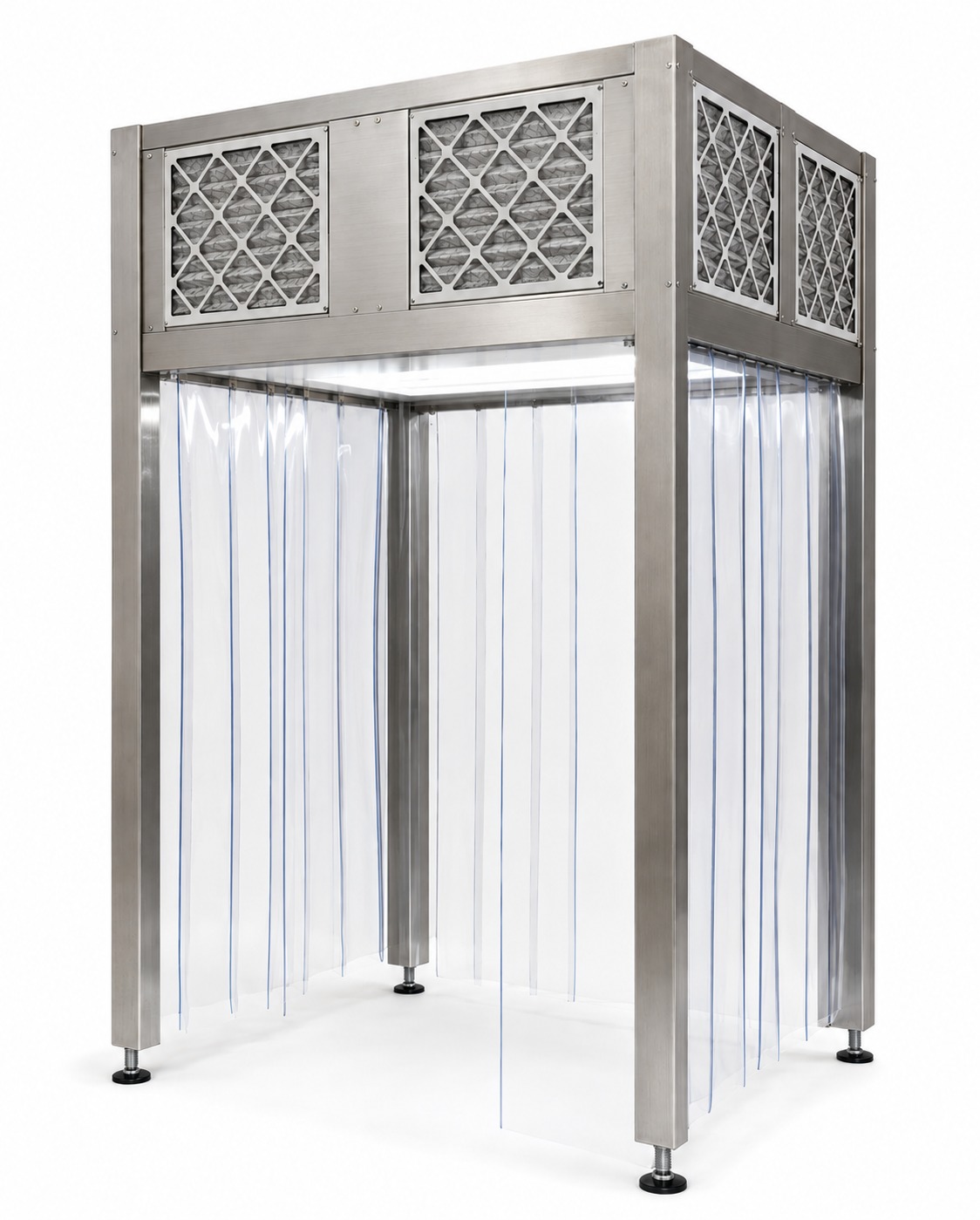
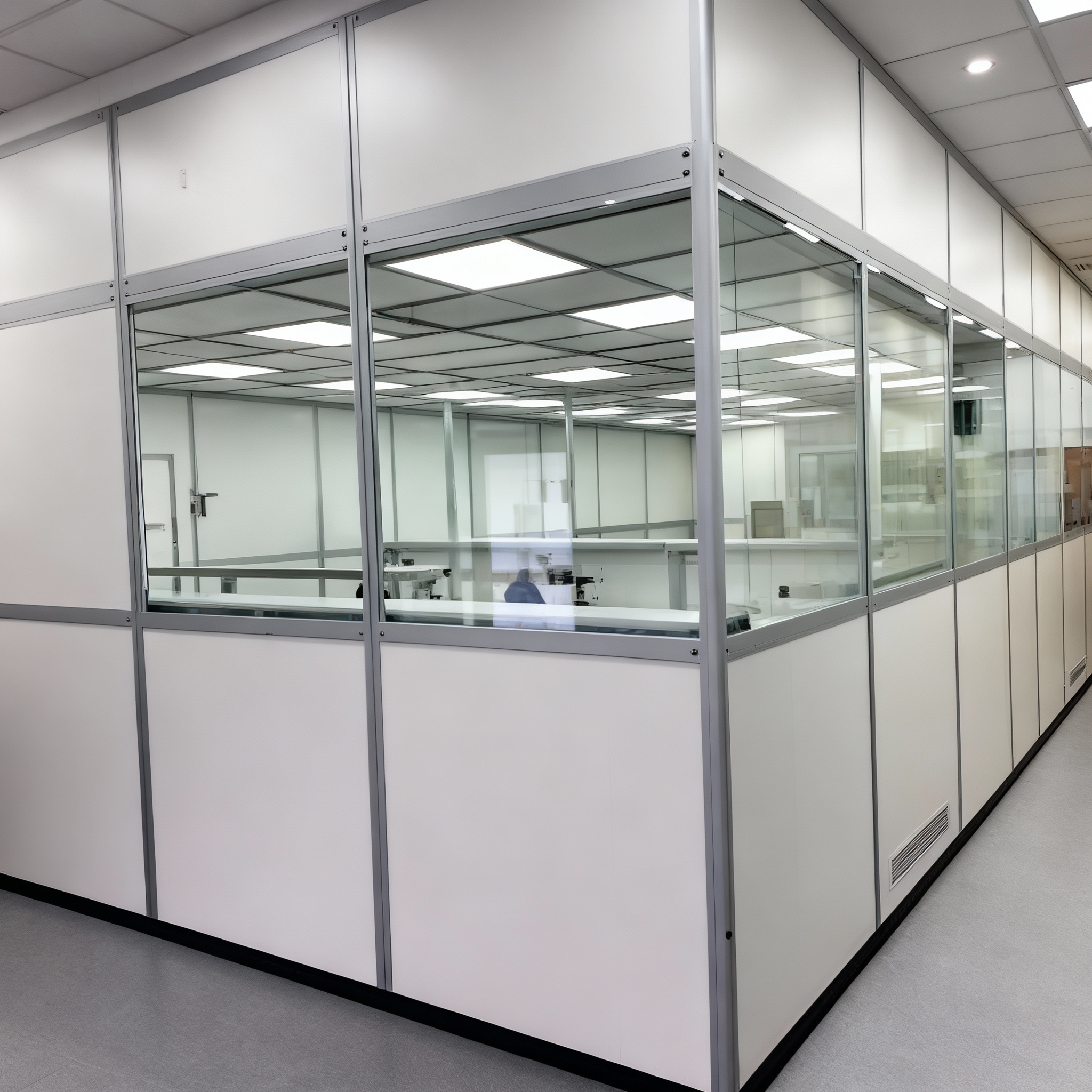
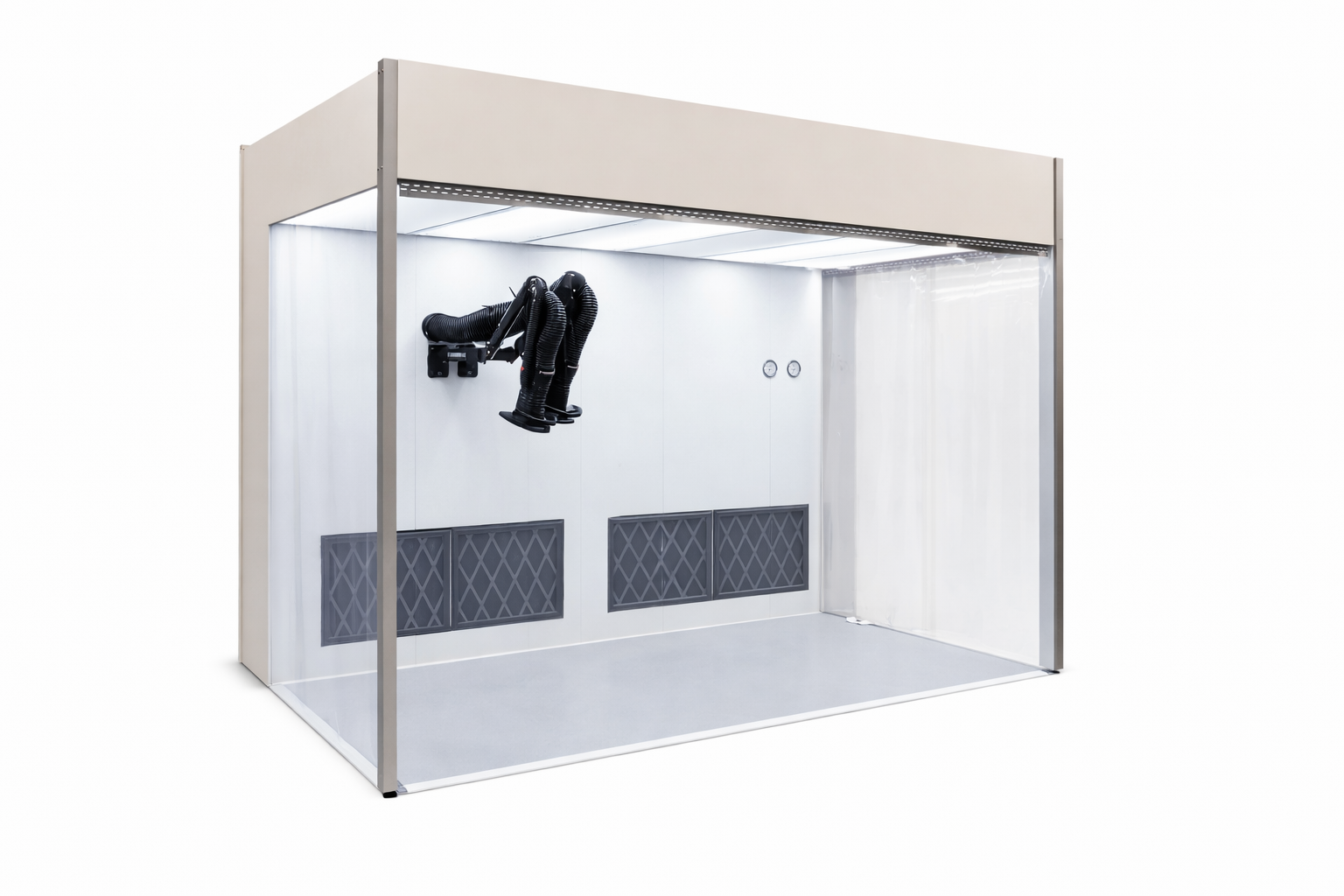
Modular cleanrooms (like ADS SBM) use prefabricated panels and can be installed in days without construction work, relocated, or expanded as needs evolve. They are ideal for ISO Class 5 through 8 environments, R&D labs, pharmaceutical production and facilities where flexibility matters. Hardwall cleanrooms (concrete or drywall construction) offer better long-term structural integrity and are preferred for ISO Class 4–5 or highly regulated pharmaceutical manufacturing where permanent installation and full GMP compliance are required. For most US laboratory and industrial applications, modular is the faster, more cost-effective solution — and ADS SBM systems are ISO 14644 compliant out of the box.
How long does delivery take for a laminar flow hood to the USA?
Lead times vary depending on the model, configuration and current production schedule. Standard models ship faster than custom-sized or special-configuration units. We ship directly to your facility anywhere in the USA — freight is included in the quote. Contact our Brooklyn office at (323) 994-2623 or request a quote online for current lead times on the specific model you need.
Do you ship laminar flow hoods and biosafety cabinets across all US states?
Yes. ADS Laminaire USA ships to all 50 states including New York, New Jersey, California, Texas, Florida, Pennsylvania, Massachusetts, Illinois, Ohio, North Carolina, Georgia, Washington, Colorado, Arizona and all other states. We also serve Canada. All shipments are freight-quoted individually based on destination and equipment size. Our Brooklyn, NY office coordinates all North American logistics.
Are your biosafety cabinets and laminar flow hoods compatible with US 110V/60Hz electrical standards?
Yes — all ADS Laminaire equipment supplied to the US market is factory-configured for 110V/60Hz and fitted with standard NEMA 5-15P plugs. No voltage converter or transformer is required. Biosafety cabinets are UL Listed and NSF 49 certified, meeting all US electrical safety standards. Simply plug in and operate.
What is the price range for a laminar flow hood?
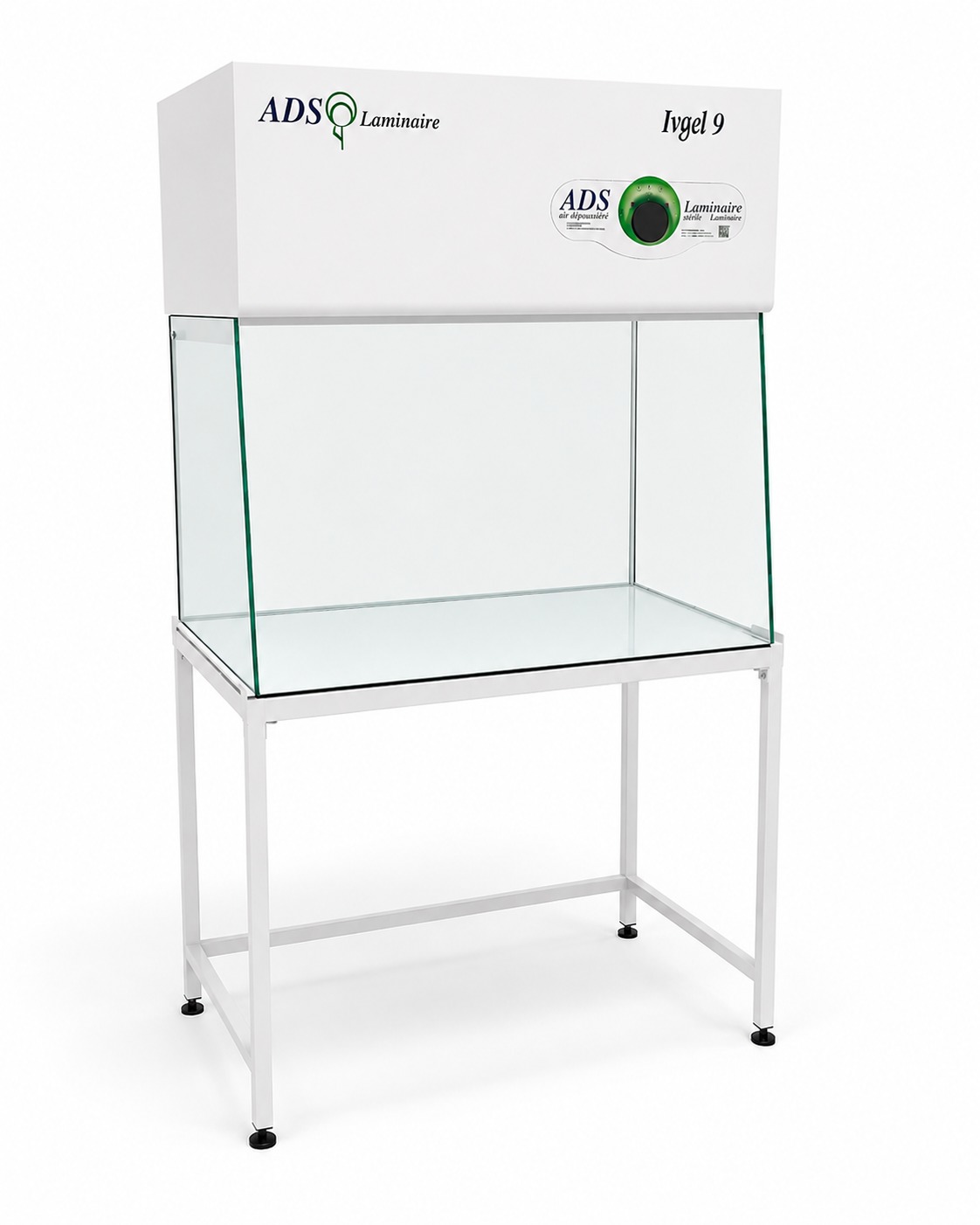
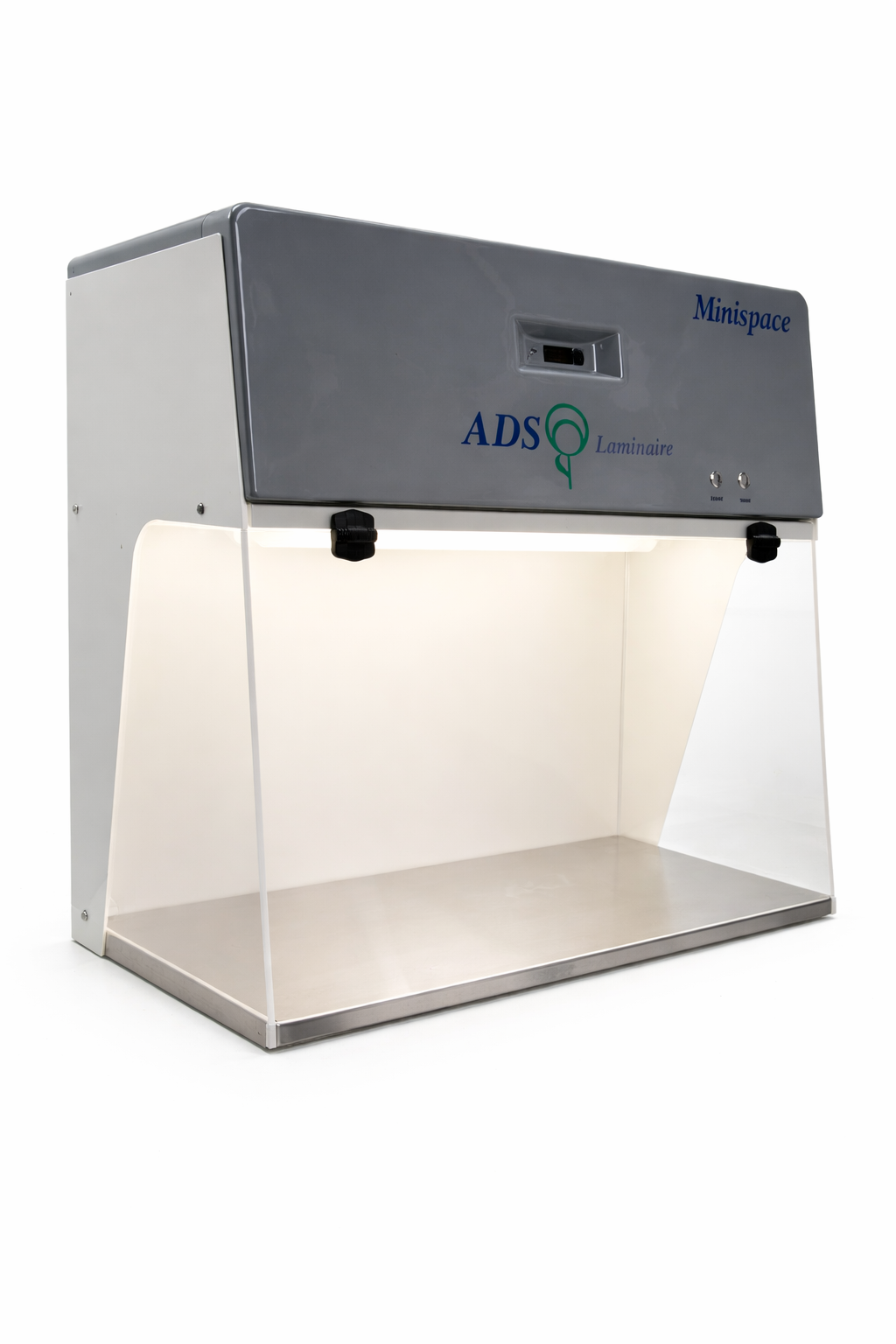
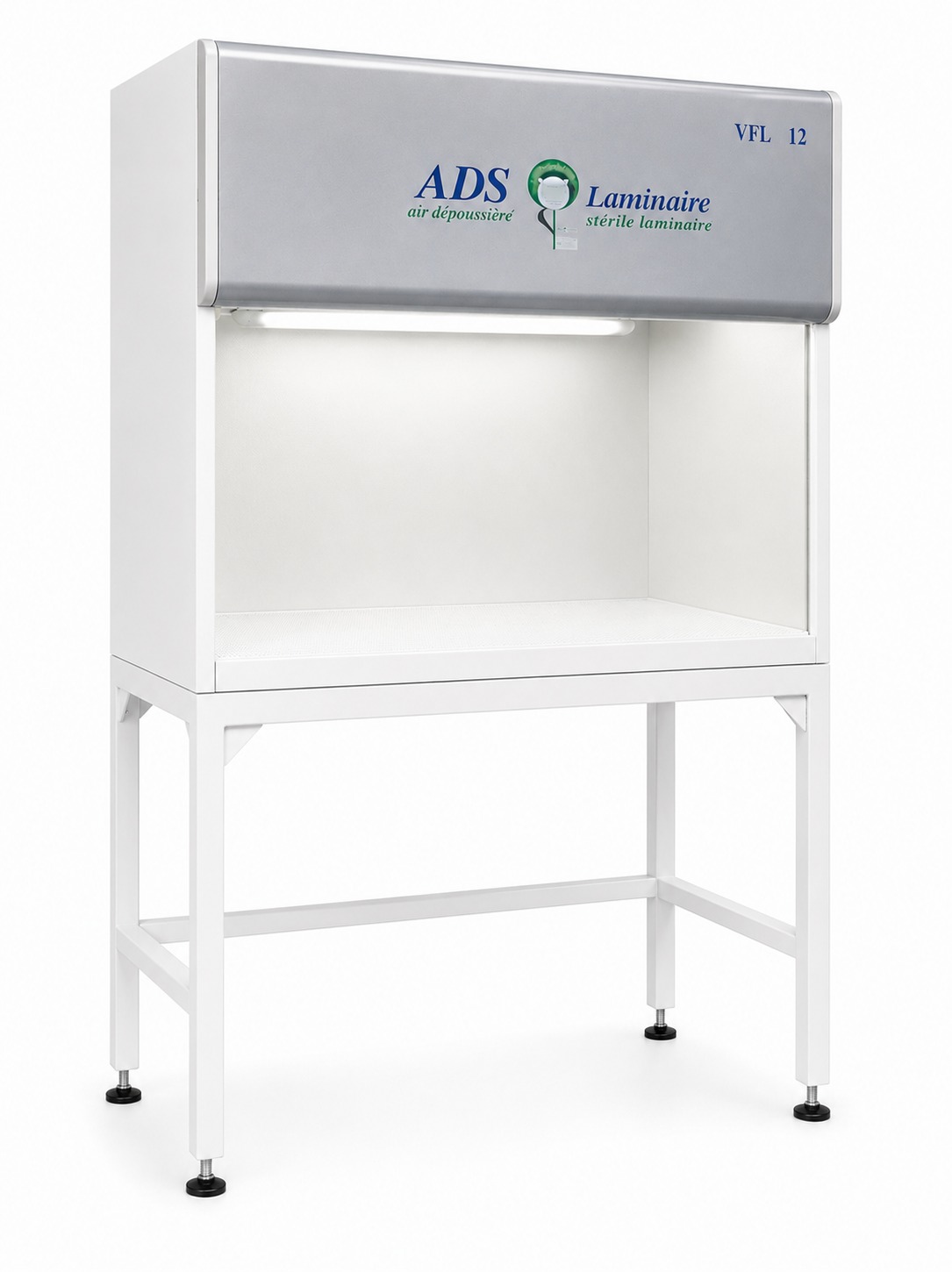
Laminar flow hood pricing depends on type (vertical vs horizontal), size, motor type (EC vs ECM) and options. Entry-level vertical laminar flow hoods (VFL) start around $3,500–$6,000. Mid-range models with ECM auto-regulation (MINISPACE, IVGEL SPACE) typically range $6,000–$12,000. Biosafety cabinets Class II start around $8,000–$15,000 depending on size and certification. Modular cleanrooms are priced by project. Contact us for a free no-obligation quote tailored to your specifications.
Do you offer installation and commissioning services in the USA?
Yes. ADS Laminaire USA provides installation support, commissioning assistance and qualification documentation (IQ/OQ) for all major equipment including biosafety cabinets, laminar flow hoods and modular cleanrooms. Our US technical team based in Brooklyn coordinates on-site installation across the USA. We also provide factory test reports, filter integrity certificates and airflow validation data with every unit.
What warranty do you offer on laminar flow hoods and biosafety cabinets?
All ADS Laminaire equipment comes with a 1-year manufacturer warranty covering defects in materials and workmanship. In case of any issue, we stock spare parts for every single product we manufacture — motors, HEPA/ULPA filters, sash assemblies, control panels, gaskets — ensuring fast resolution without long delays. Our Brooklyn, NY team handles all US warranty claims and spare parts requests directly.
Do you manufacture everything in-house — from filters to full cleanrooms?
Yes — this is one of ADS Laminaire's key differentiators. We manufacture the complete chain in-house: HEPA and ULPA filters, fan filter units (FFU), laminar flow hoods, biosafety cabinets, weighing stations, chemical fume hoods, and full modular cleanrooms. This vertical integration gives us total quality control over every component, faster lead times, and the ability to engineer complete turnkey solutions from a single source. No subcontracting, no dependency on third-party suppliers for critical components.
Can you manufacture custom-size laminar flow hoods or cleanrooms?
Absolutely — custom manufacturing is one of ADS Laminaire's core strengths. We can manufacture laminar flow hoods, biosafety cabinets, weighing stations and modular cleanrooms to any dimension, configuration or specification. Our in-house design office produces full engineering drawings for customer approval before production. Typical custom projects include oversized cleanroom ceilings (PS/MS), walk-in weighing booths, and integrated laminar flow systems for production lines.
What is the difference between a Class II Type A2 and Type B2 biosafety cabinet?
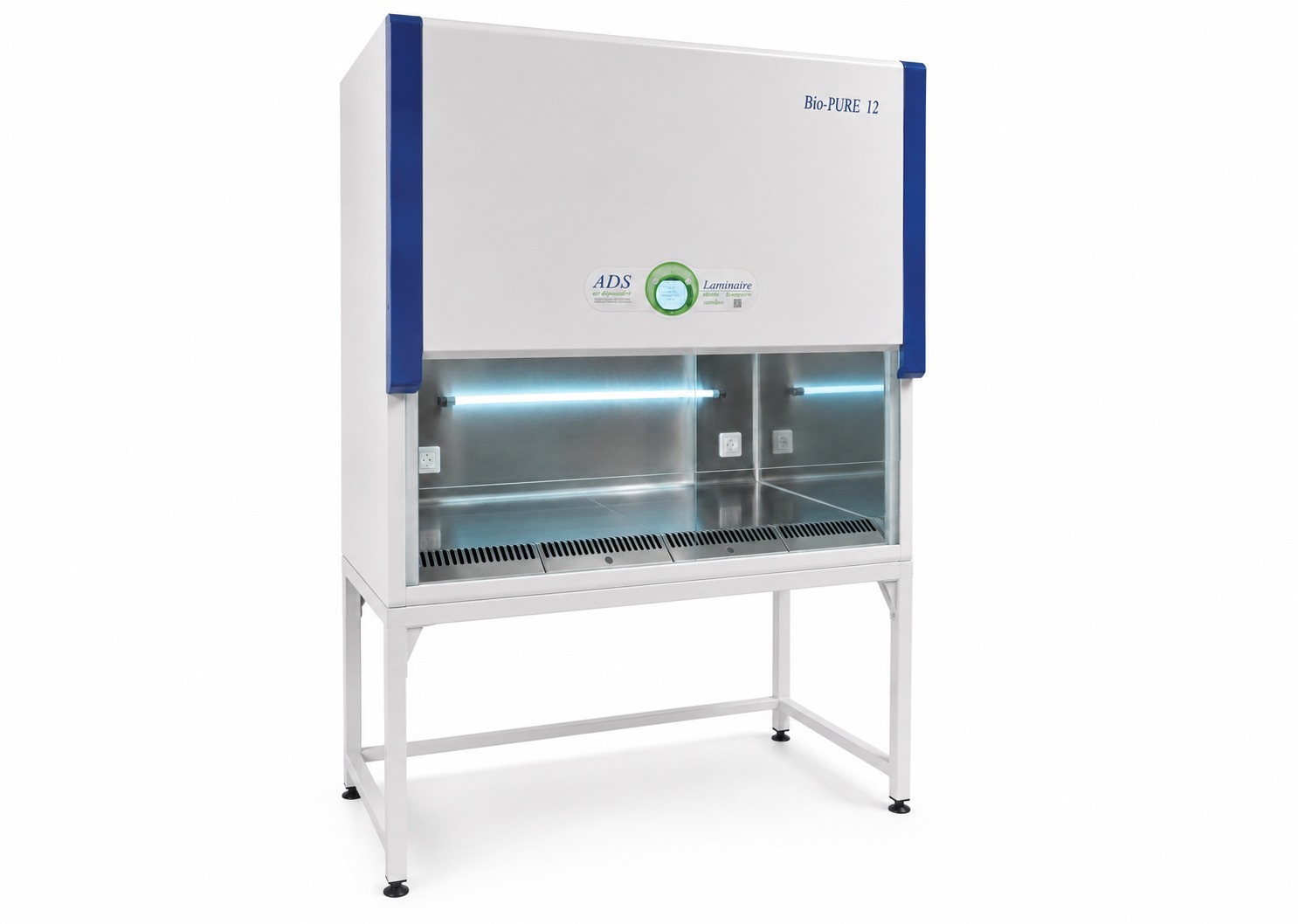
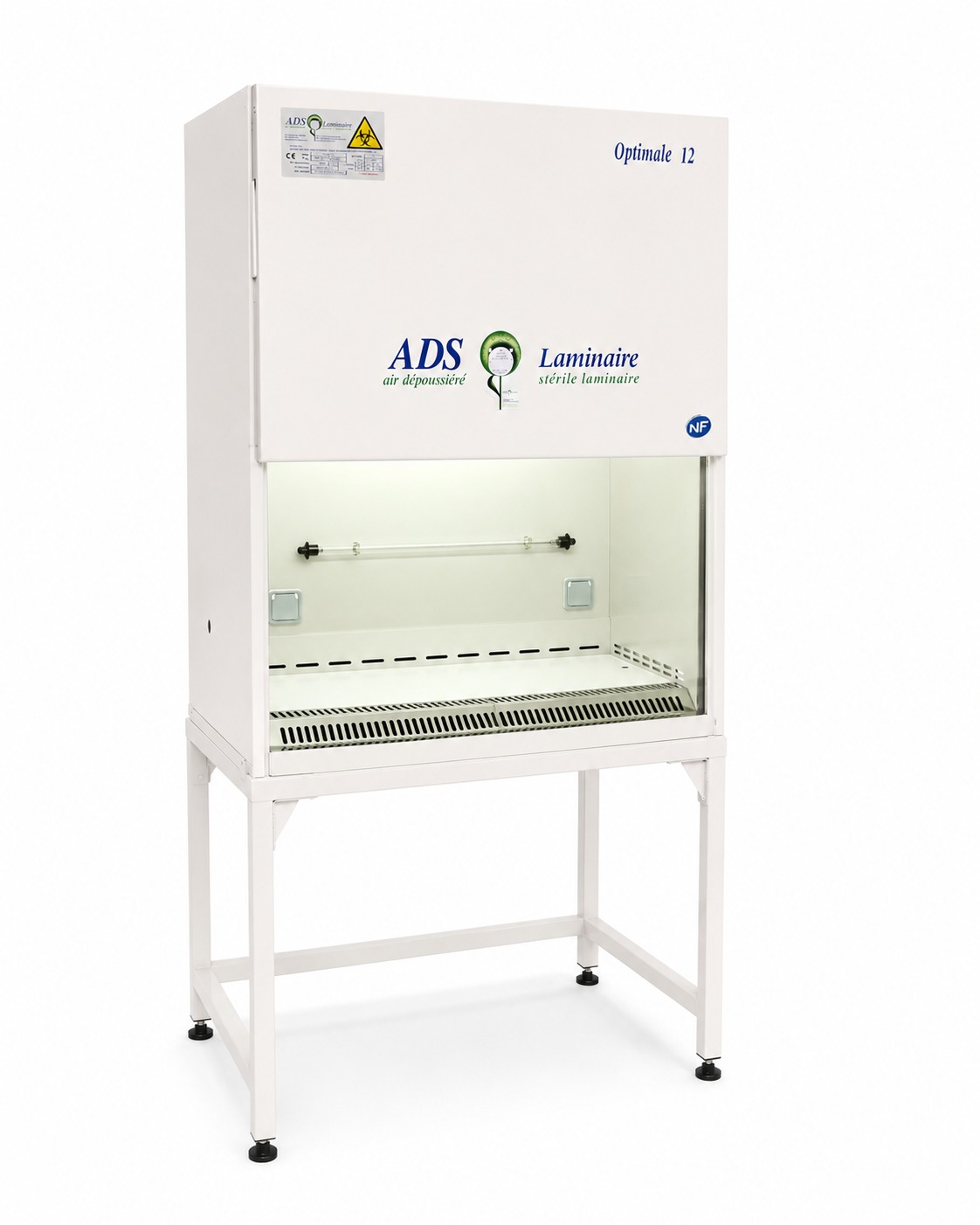
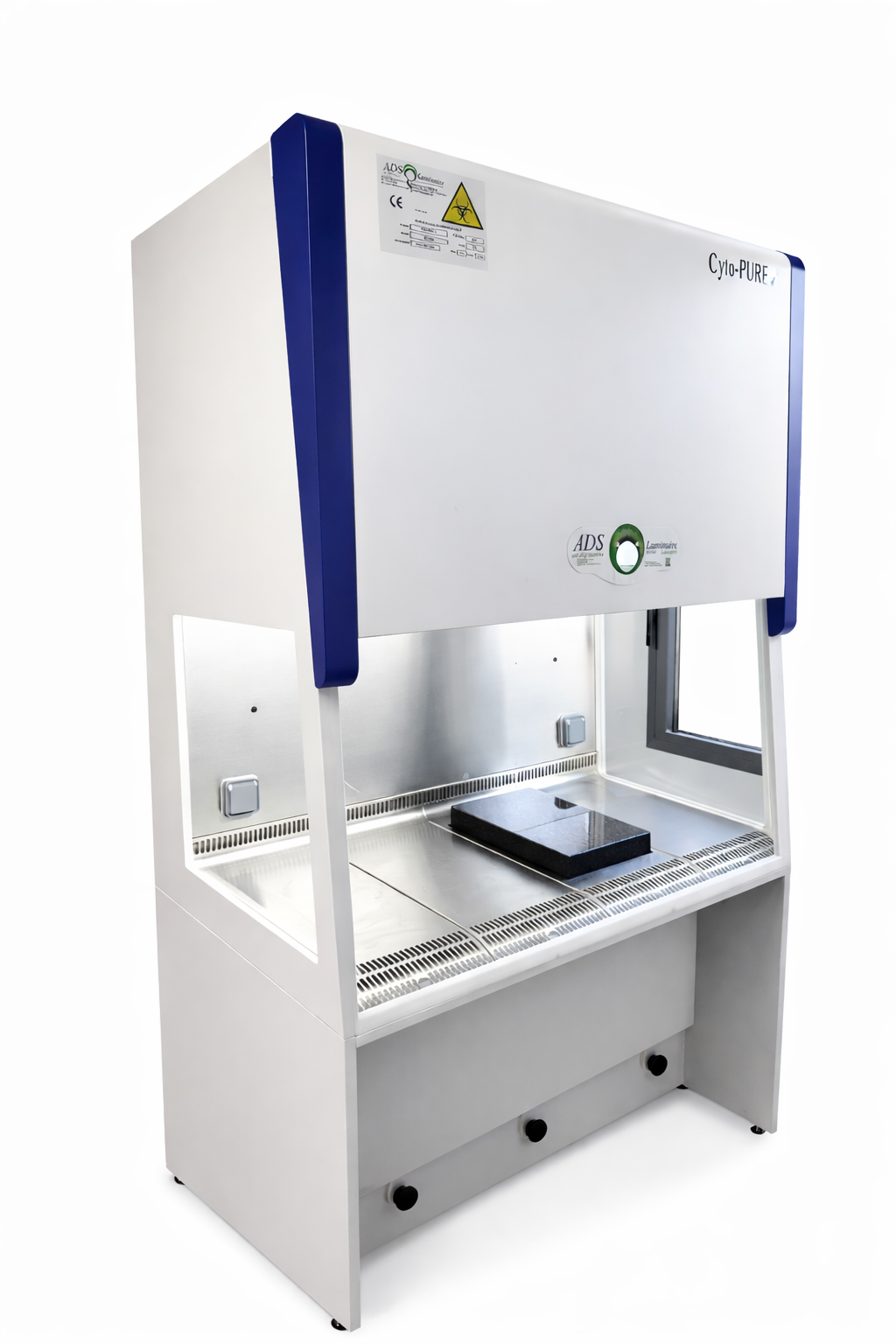
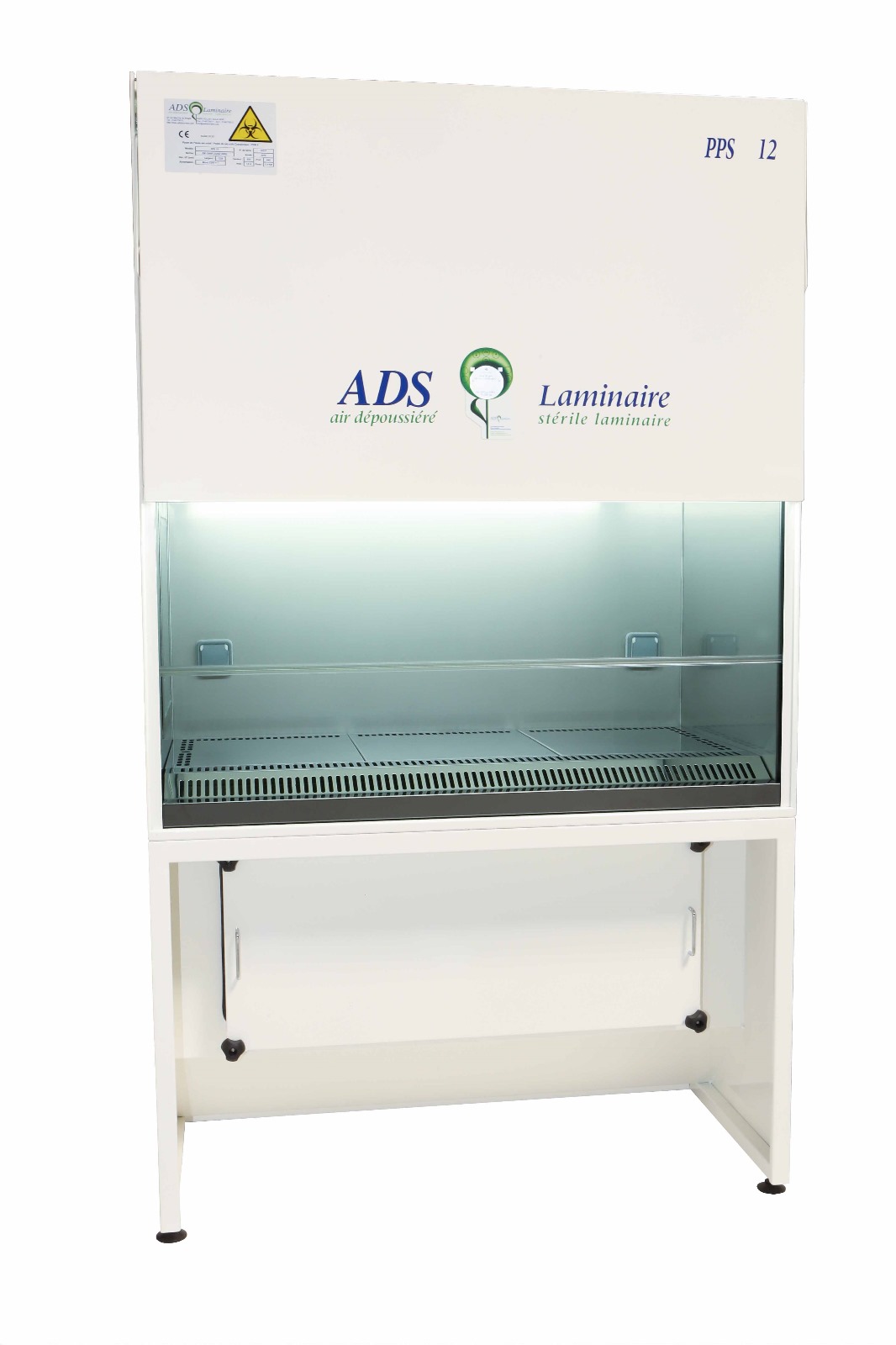
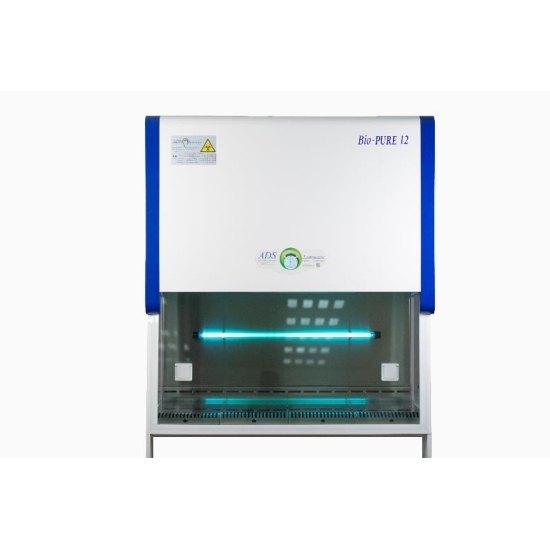
Both are Class II biosafety cabinets providing triple protection. Type A2 recirculates 70% of cabinet air through HEPA filters and exhausts 30% — it can be used in a room or connected to a canopy exhaust. Type B2 exhausts 100% of air to the outside through a dedicated hard-duct connection — required when working with volatile toxic chemicals or radionuclides where recirculation is not acceptable. ADS BIO-PURE and OPTIMALE are Type A2 equivalent; CYTO-PURE is designed for cytotoxic applications with BIBO containment.
How often do HEPA filters need to be replaced in a laminar flow hood?
HEPA filter lifespan depends on the environment and usage. In a typical laboratory, HEPA filters last 3–5 years. In dusty industrial environments, 1–3 years. ECM-regulated units automatically compensate for filter loading — the motor speeds up as the filter clogs — which extends filter life and maintains constant airflow. A pressure differential gauge or automated alarm will indicate when replacement is needed. ADS supplies replacement HEPA and ULPA filters for all our equipment through our US office.
What certifications should I look for when buying a biosafety cabinet in the USA?
For US use, the key certifications are: NSF/ANSI 49 (the primary US standard for biosafety cabinets), UL listing (electrical safety), and NF EN 12469 (European standard, recognized internationally). ADS BIO-PURE and OPTIMALE biosafety cabinets carry NSF 49, UL Listed, and NF EN 12469 certifications. For pharmaceutical GMP environments, also verify compliance with EU GMP Annex 1 requirements.
What is the difference between ISO Class 5, ISO Class 6, ISO Class 7 and ISO Class 8?
ISO classes define maximum allowable airborne particle concentrations per cubic meter. ISO Class 5 allows max 3,520 particles ≥0.5µm/m³ — equivalent to GMP Grade A/B, used in sterile filling and aseptic processing. ISO Class 6 (max 35,200 particles/m³) is used for background environments. ISO Class 7 (max 352,000 particles/m³) corresponds to GMP Grade C — typical for secondary packaging and preparation areas. ISO Class 8 (max 3,520,000 particles/m³) is GMP Grade D — gowning rooms and general controlled areas. ADS manufactures equipment for all ISO classes 3 through 9.
Do you provide technical support and spare parts in the USA?
Yes. Our Brooklyn, NY office provides direct technical support for all ADS Laminaire equipment across the USA and Canada. We stock spare parts for every product we manufacture — HEPA/ULPA filters, motor assemblies, sash motors, control panels and gaskets — available for fast shipment. For technical questions, contact our sales team at (323) 994-2623 or (917) 600-8556. Response within one business day guaranteed.
Can I get a free quote without committing to a purchase?
Absolutely. ADS Laminaire USA provides free, no-obligation quotes for all equipment. Simply describe your application, required ISO class, dimensions and any specific certifications needed — our team will respond within 24 hours with a detailed proposal including pricing, lead time and technical specifications. Use the quote form on this page or call our Brooklyn office directly at (323) 994-2623.
What industries do you serve in the USA?
ADS Laminaire USA serves pharmaceutical manufacturers, biotech companies, hospital pharmacies and compounding pharmacies, medical device manufacturers, university and government research laboratories, cosmetics manufacturers, food and beverage producers, semiconductor and electronics manufacturers, aerospace and defense contractors, and nuclear facilities. Any industry requiring controlled contamination environments — from ISO Class 3 to ISO Class 9 — can benefit from our equipment.

 Brooklyn, NY · ISO 9001 · UL Listed · NAFA Member